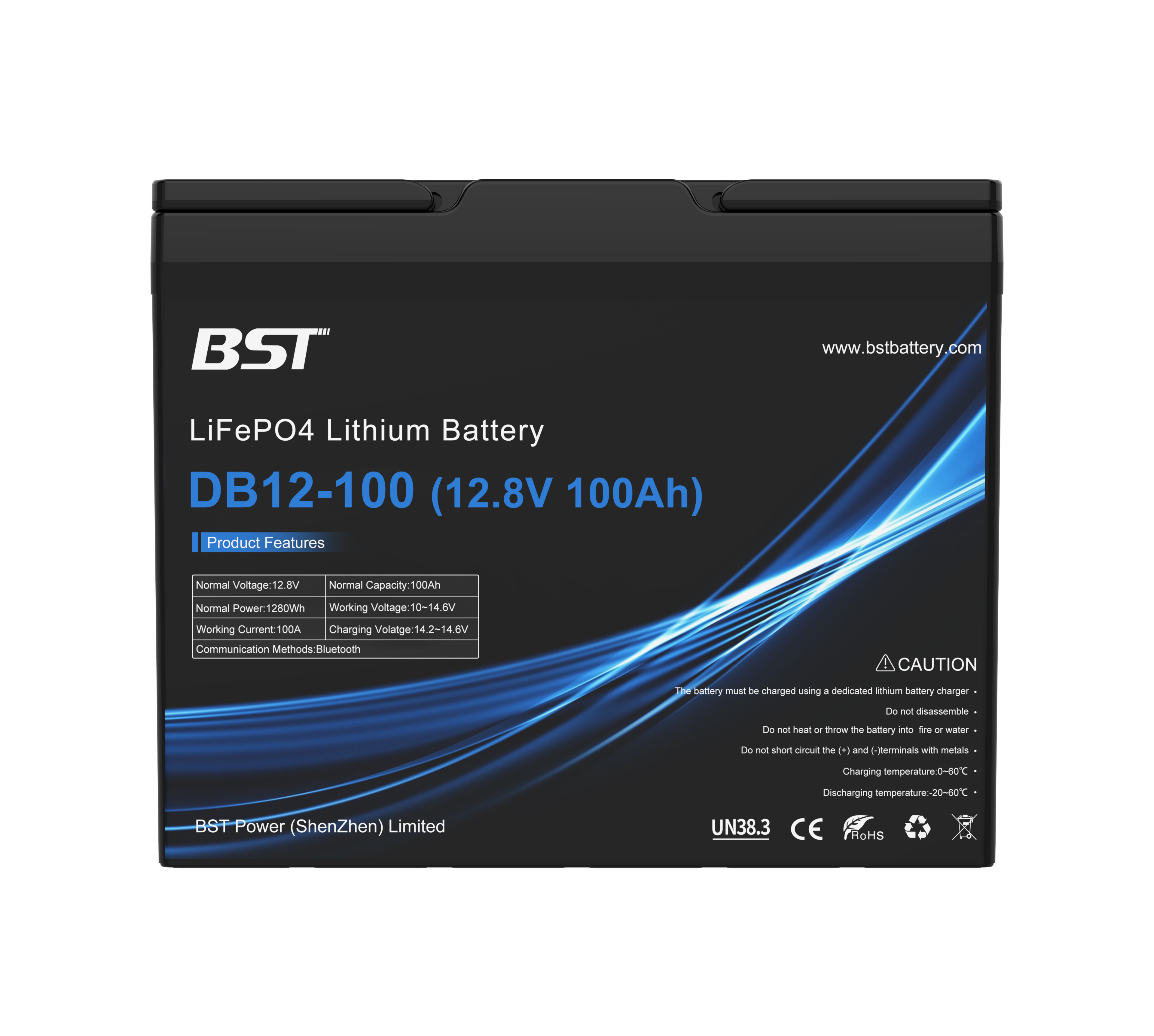
12V 100Ah
1.28kWh reference platform for compact house-power projects and modest energy budgets.
Review 12V 100AhFor RV distributors and conversion specialists
For an RV buyer, a battery is part of a system with solar, alternator charging, shore power, inverter loads, physical constraints and a real travel pattern. Design the RFQ around that system.
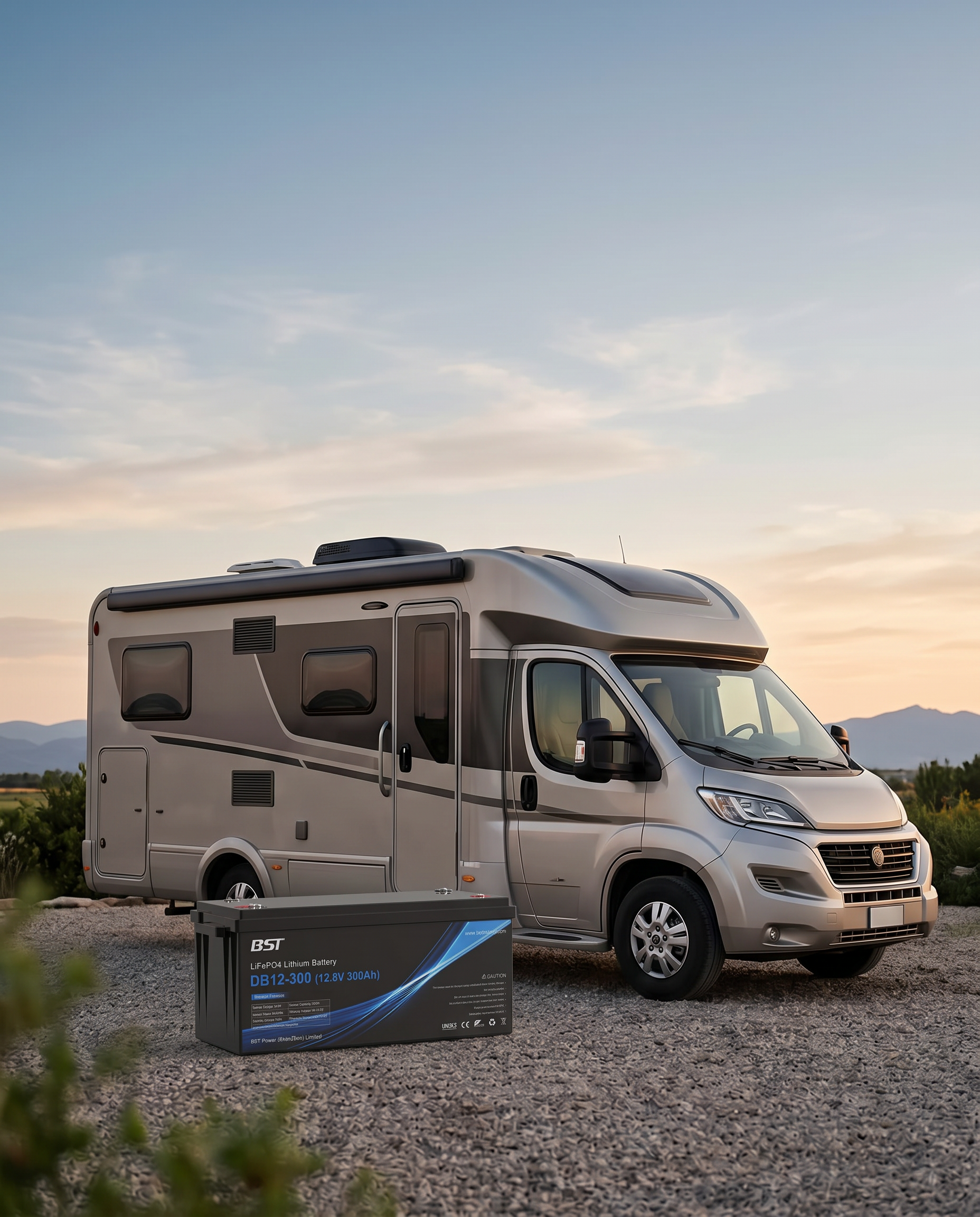
The B2B opportunity
Consumer brands compete on discounts and feature lists. A distributor or RV specialist can add value by helping customers choose the appropriate auxiliary battery, charging controls and installation approach.
Starting points, not universal kits
The best capacity depends on how long the system runs off grid and which loads are used at the same time. These verified reference platforms provide a useful starting point.
1.28kWh reference platform for compact house-power projects and modest energy budgets.
Review 12V 100Ah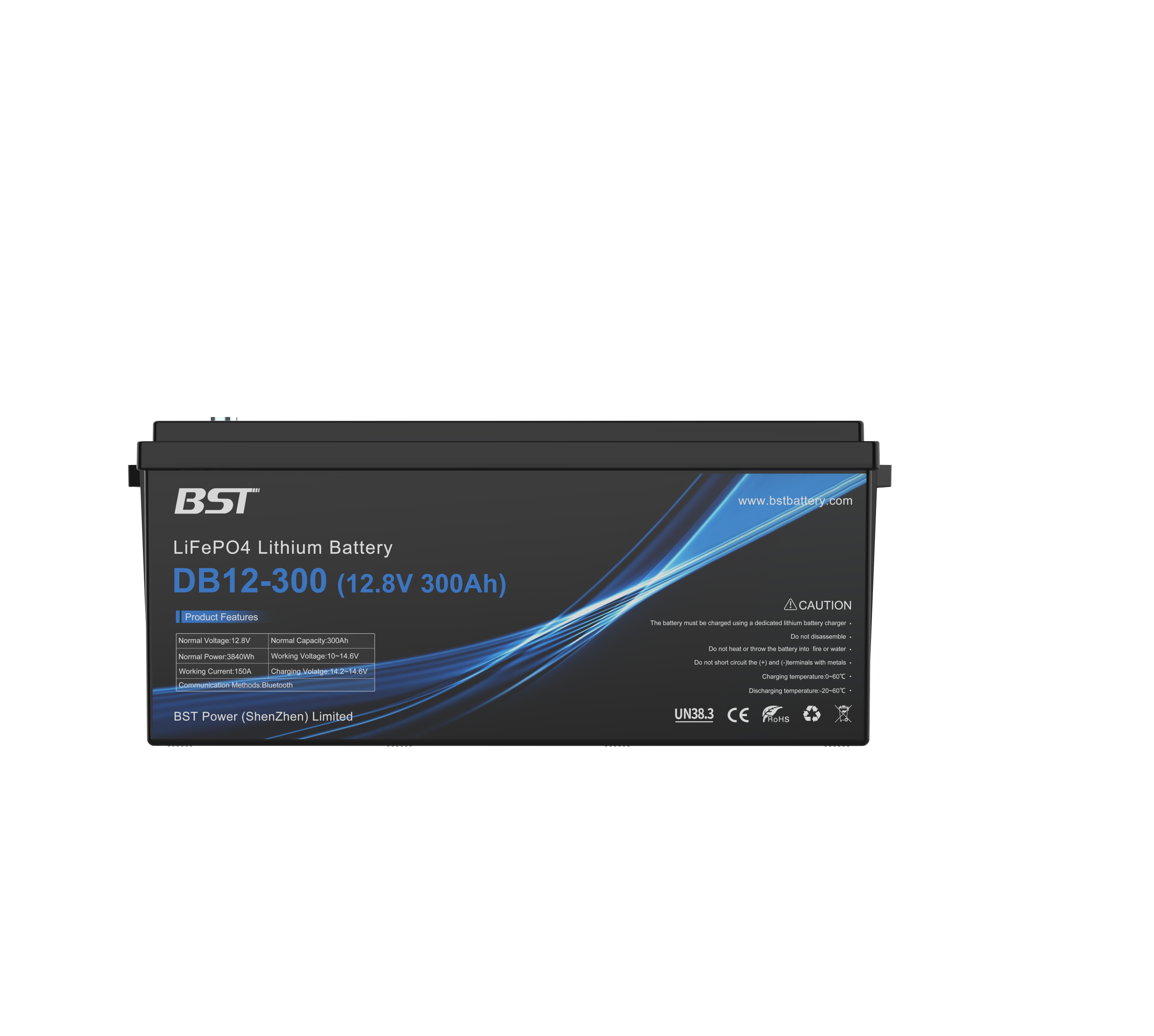
3.84kWh reference platform for longer autonomy when 12V system architecture remains appropriate.
Review 12V 300Ah
RV buyer FAQ
Sometimes, but it should not be assumed. Physical dimensions, charging profile, alternator behavior, loads, cold-weather use and required protections all need review. Engine starting is a separate use case and requires dedicated validation.
Ask about alternator, DC-DC charger, solar controller, shore-power charger and generator charging. Each must be compatible with the approved voltage and current limits of the final battery configuration.
Gather a daily load list (Wh), expected off-grid days, recharge capability and reserve margin. Avoid recommending capacity only by comparing it with a previous lead-acid amp-hour label.
Private-label feasibility depends on the platform, volume, market, packaging scope and final documentation. Provide those variables in the initial brief.
For your RV channel
Share battery capacity, charge sources, inverter loads, physical space, forecast and destination market.