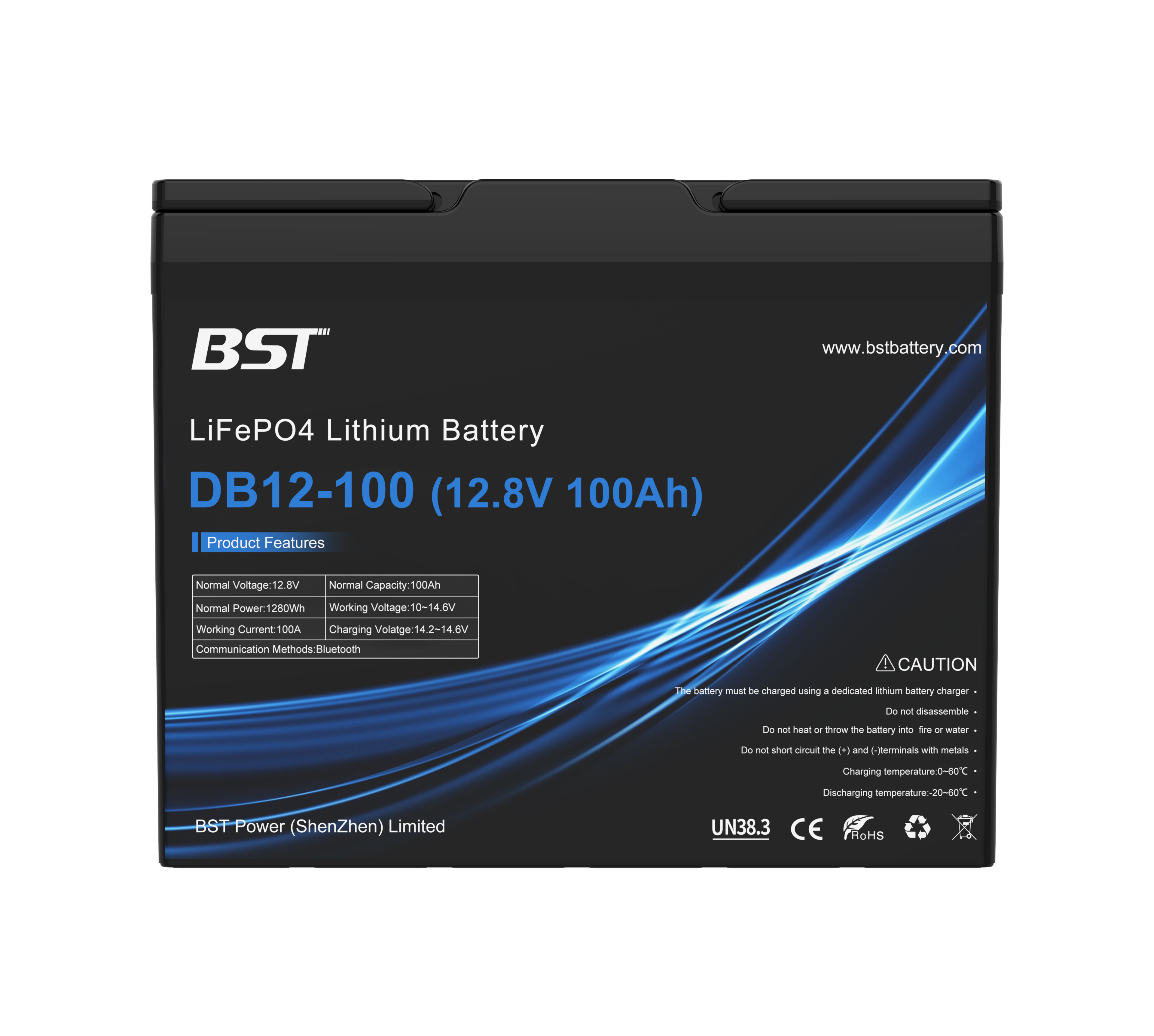
12V 100Ah / 1.28kWh
For compact 12V solar auxiliary projects where the whole system is sized accordingly.
Review 12V platformFor solar installers and system integrators
A solar battery needs to work alongside photovoltaic generation, charge control, inverter loads, emergency reserve and the user's expected autonomy. A better B2B order starts with these variables, not a capacity label alone.

Project discipline
For off-grid systems, calculate energy use, peak power, usable solar harvest and intended recharge window. Then select the voltage architecture and capacity with the charger and inverter within the final battery's limits.
Reference platforms
These options illustrate different starting points. A professional design should check the complete system at its actual operating limits.
For compact 12V solar auxiliary projects where the whole system is sized accordingly.
Review 12V platform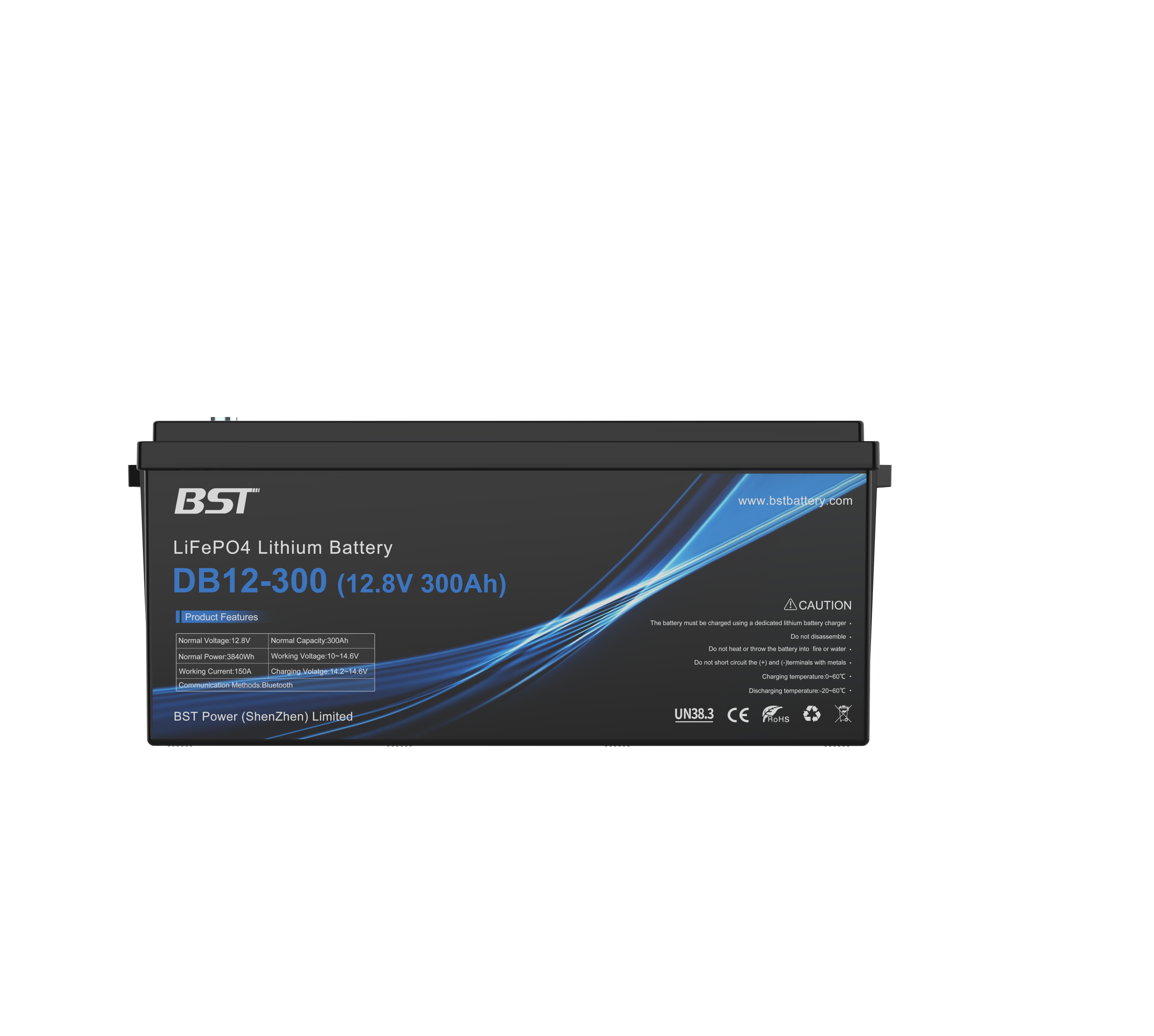
Higher stored-energy starting point for appropriate 12V auxiliary system designs.
Review 12V platform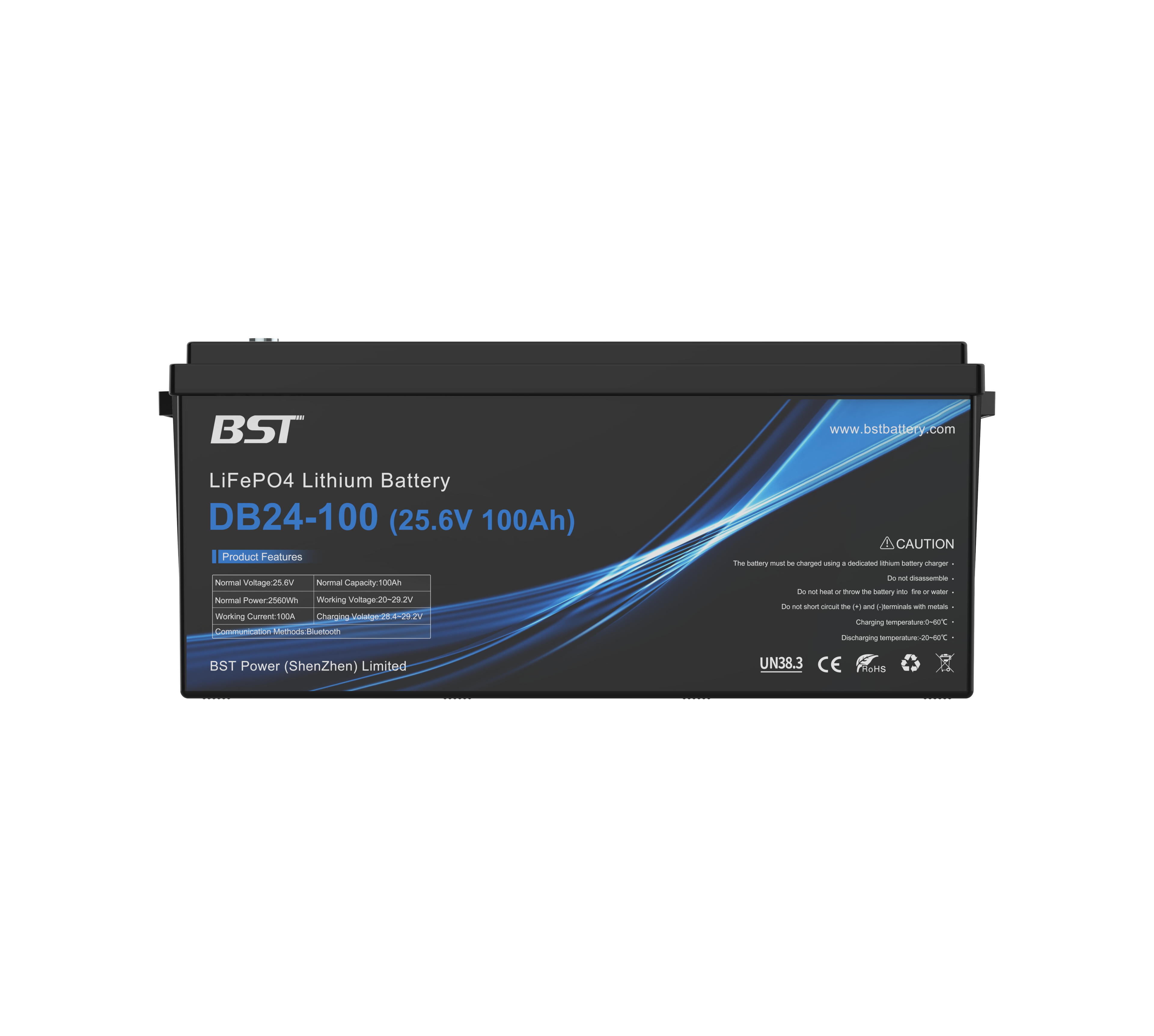
A 24V-class platform for compatible charge controllers, inverters and DC components.
Review 24V platformSolar buyer FAQ
Start from load consumption in watt-hours and expected autonomy, then account for recharge capability, temperature, system losses and the operating reserve you intend to maintain. A battery selection should not rely on amp-hours alone.
No. The controller or charger must be configured for the final battery's approved voltage/current requirements. Review whether its charging profile, temperature behavior and settings are compatible.
Often, but not automatically. The decisive electrical figure is the inverter's actual DC current and surge demand at the battery voltage. Check that against continuous/peak battery/BMS limits and the entire protection/wiring design.
Expansion should be part of the initial design. Use only the series/parallel configuration the final product permits, with matched approved batteries and documented wiring/protection requirements.
Provide usable project data
That turns a generic battery inquiry into an installable solution conversation.