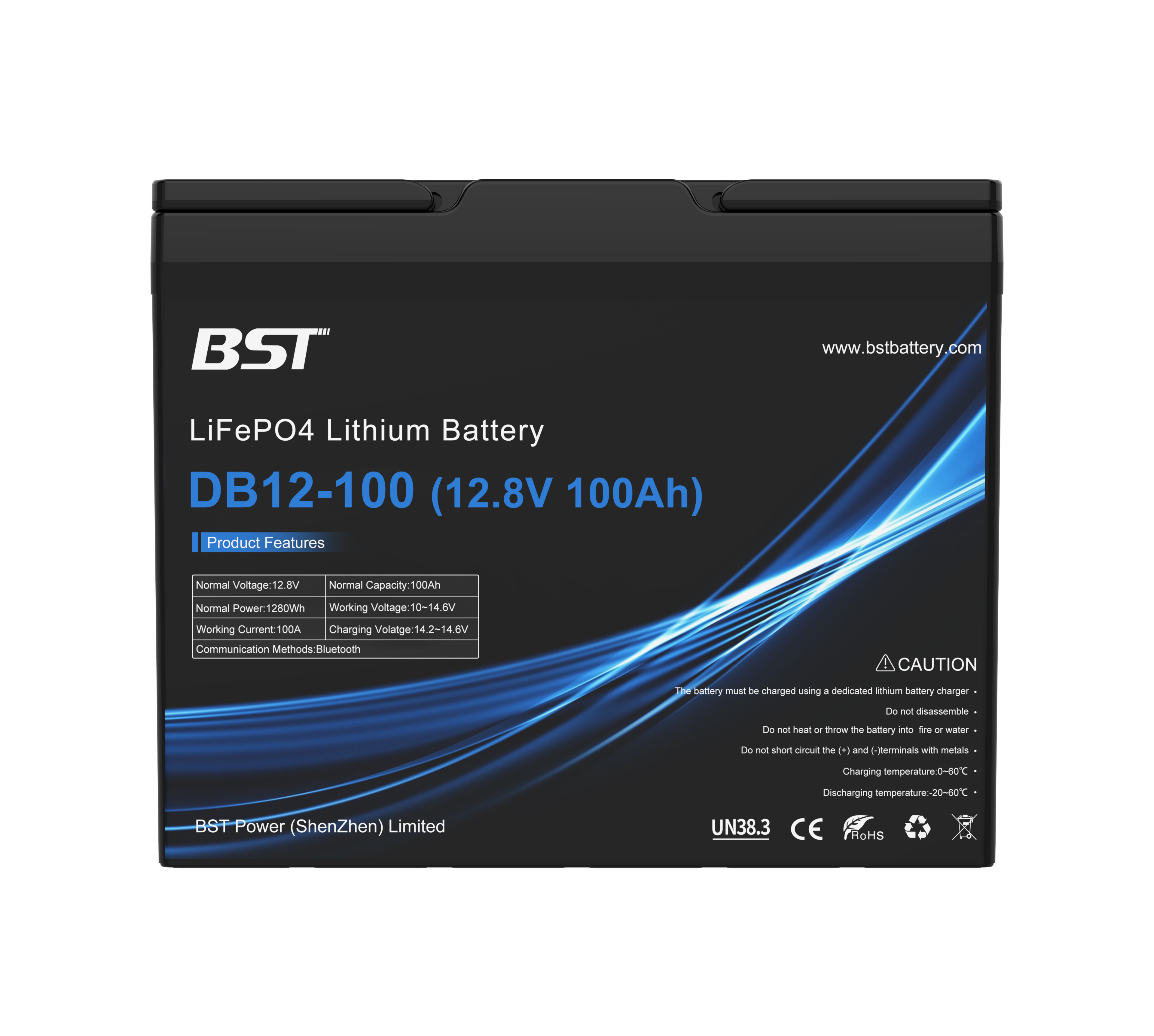
12V 100Ah
Reference option for compact auxiliary energy needs when the intended load and charge sources are compatible.
Review the dataFor marine distributors and equipment partners
Marine buyers need more than an amp-hour comparison. They need a verified electrical fit, compatible charging, realistic environmental assessment and unambiguous system boundaries.
Auxiliary-power focus
The current reference platforms are deep-cycle battery directions. An engine-starting application, trolling-motor application or dual-purpose use has different current, battery and validation requirements. Qualify the intended use before a model is offered.

Products to qualify
Reference option for compact auxiliary energy needs when the intended load and charge sources are compatible.
Review the data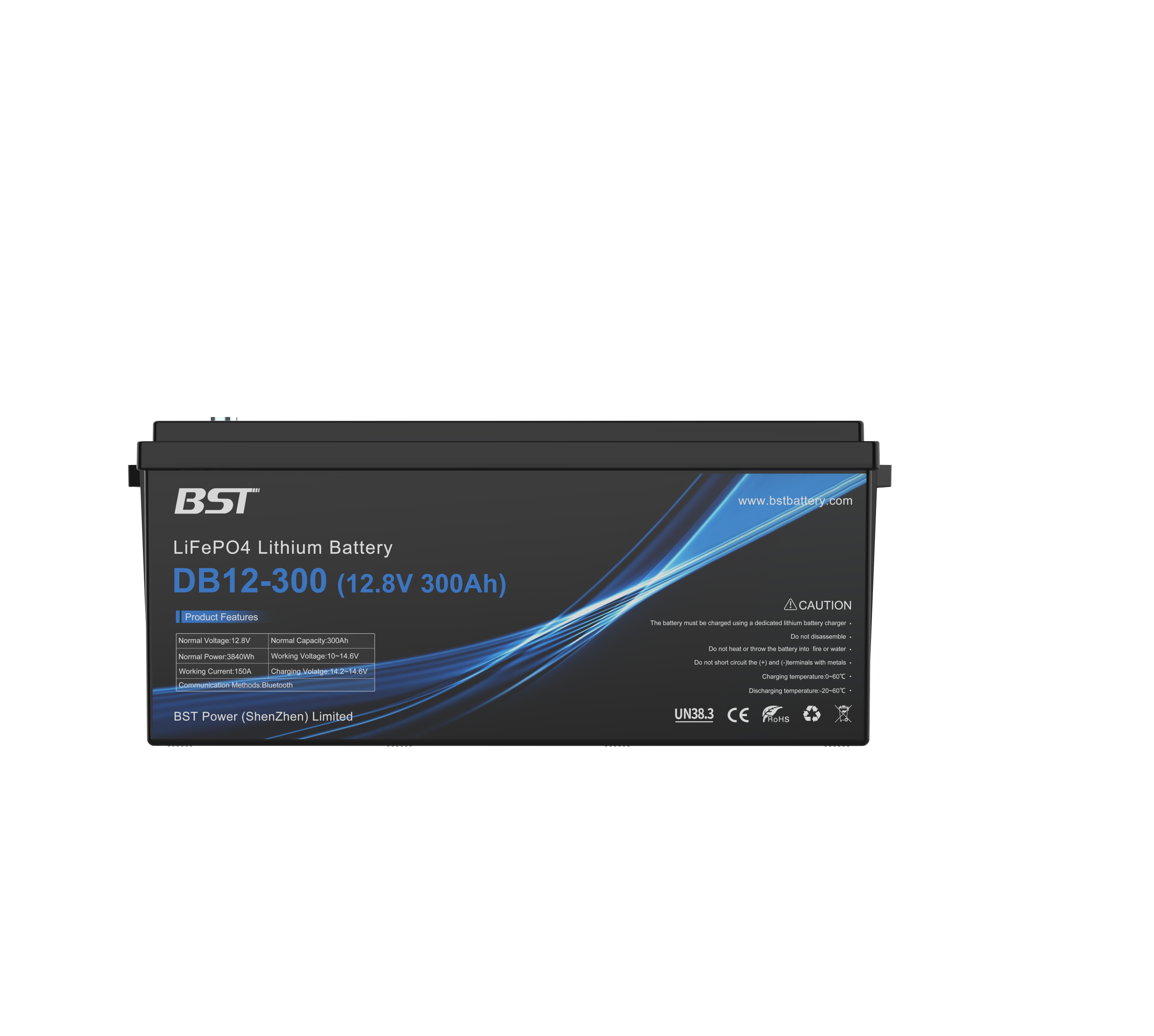
Higher stored-energy platform for a project that has been checked against weight, space, current and recharge requirements.
Review the data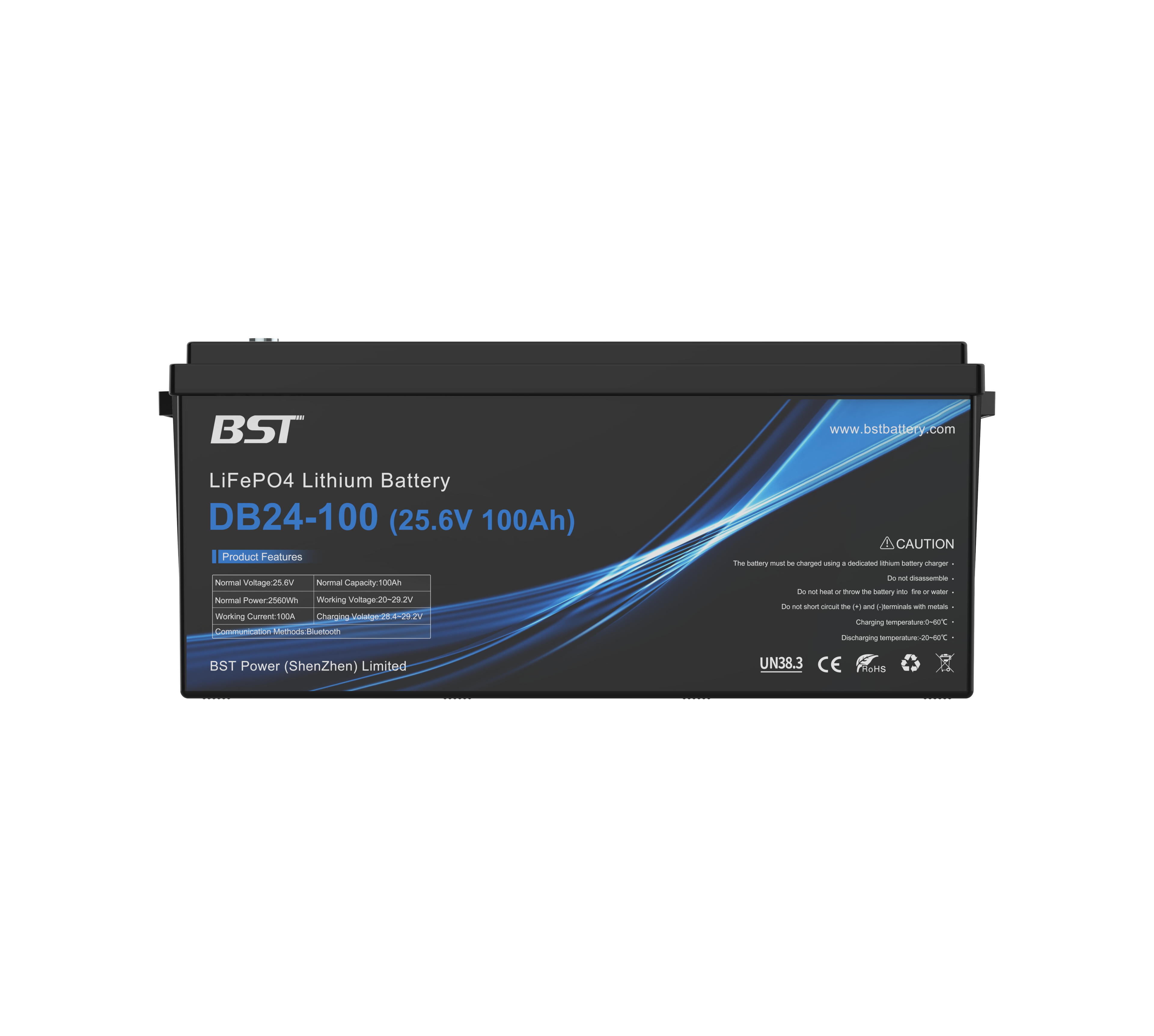
24V-class platform for compatible marine auxiliary designs; not a 12V drop-in option.
Review the dataMarine buyer FAQ
Not by default. Engine starting needs a dedicated high-cranking design and application-specific validation. Do not treat an auxiliary deep-cycle product as a starting battery without written confirmation for that use.
No. An ingress rating is one product attribute, not an installation approval. Assess wiring, terminal covers, mounting, splash/salt exposure, standing water and maintenance access.
Collect continuous current, starting/surge profile where relevant, motors or inverter requirements, total DC loads and the planned charger output. Compare these with final battery/BMS specifications.
Request the final product data sheet, transport records, destination-market documentation, labelling/packaging details and the specific documents your shipping and compliance process requires.
From use case to RFQ
That makes technical review and commercial follow-up significantly more reliable.